
Publishers Keep More Search Revenue When Monetization Reporting Separates First-Click Intent From Return-Visit Conversion Lift
Publisher monetization improves when reporting distinguishes early research sessions from returning visitors who convert after a comparison or education path.
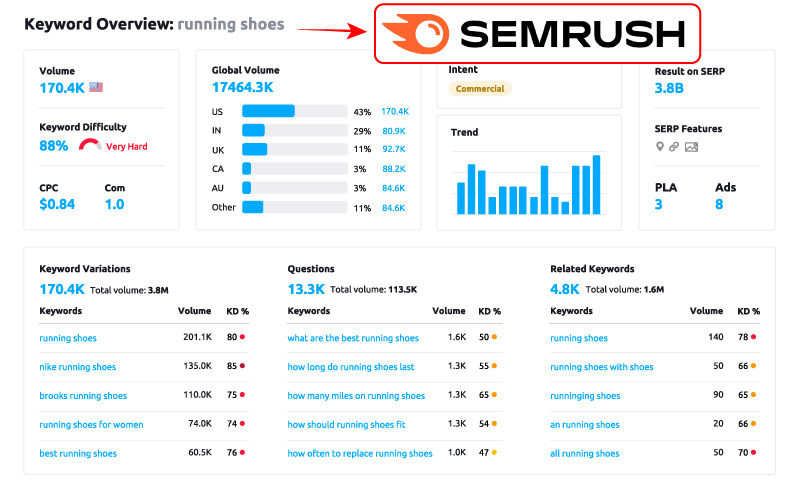
Search traffic often looks inconsistent when publishers review revenue in one blended bucket. A first click from a broad informational query behaves differently from a return visit that arrives after a user has compared options, checked proof, and decided which offer path deserves attention. When both behaviors are measured together, teams misread which pages educate effectively and which pages close monetizable intent.
Separating first-click intent from return-visit conversion lift produces a clearer operating picture. First-click sessions often show whether a topic, comparison frame, or angle earns trust. Return visits show whether the internal structure of the site is moving users toward an offer-ready state. Without that split, publishers may cut educational pages that are actually creating profitable second-touch behavior, or they may overvalue pages that attract clicks but do not strengthen downstream conversion quality.
This distinction matters for both ecommerce CPS and virtual-product inventory. Ecommerce comparisons may need more time for a buyer to evaluate product risk, shipping context, or price confidence before the click becomes commercially useful. Virtual-product funnels may convert faster, but return-visit behavior can still reveal whether the audience needed more qualification before reaching the offer page. Reporting that separates those two stages gives monetization teams a better basis for layout changes, internal linking, and offer selection.
BlueFriday recommends this lens when publishers review publisher monetization paths and decide which search pages deserve more distribution or stronger offer mapping. It turns vague traffic debates into decisions about learning-stage value versus conversion-stage value.
Publishers keep more search revenue when monetization reporting separates first-click intent from return-visit conversion lift. That split helps teams protect pages that educate well while still holding offer paths accountable for final commercial performance.
CPC Traffic Monetization
Monetize your qualified traffic with BlueFriday
Apply for private CPC monetization if you operate KOL, media buying, SEO, content, or community traffic.