
How Publishers Monetize Comparison Intent With Content, Search, and Virtual Offers
Comparison-intent traffic can become a durable revenue stream when publishers match user research behavior to search, editorial, and virtual-offer monetization paths.
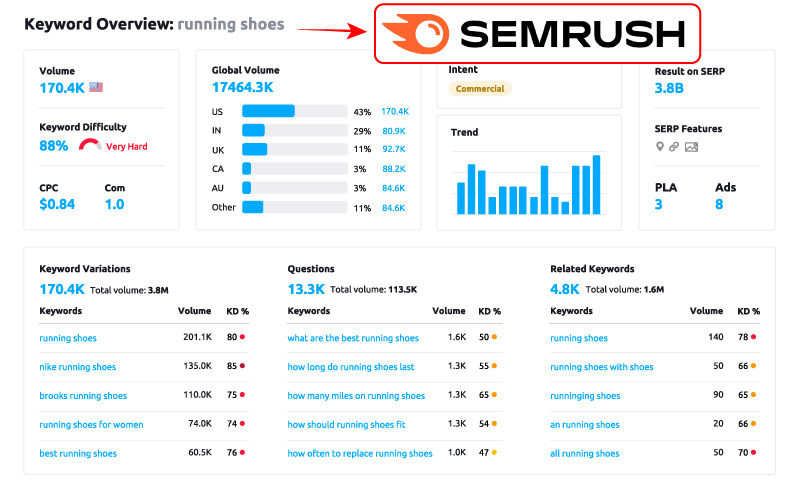
Comparison-intent traffic is often more valuable than broad awareness traffic because the visitor is already trying to reduce uncertainty. They may be comparing platforms, pricing models, feature sets, shipping conditions, or product use cases. For publishers, that moment creates a strong monetization opportunity, but only if the content experience stays trustworthy and the offer match stays relevant.
Why comparison intent converts differently
A user reading a generic trend article is still early in the decision process. A user evaluating alternatives has usually moved closer to action. That is why comparison pages, structured reviews, product roundups, and decision-support content can outperform simple display-heavy inventory when the publisher understands what the reader is trying to resolve.
The monetization model should follow that intent. Some sessions are better suited for affiliate links tied to e-commerce CPS offers. Others align more naturally with virtual products, software subscriptions, or lead-based partner programs where the user's evaluation mindset is already active. The publisher's advantage comes from identifying which format belongs to which query and page type.
Build the page around resolution, not around ad clutter
Publishers sometimes dilute high-value traffic by forcing too many monetization layers onto the same page. Comparison-intent users respond better when information is easy to scan, trade-offs are explicit, and calls to action appear only after the user understands the options. That structure usually improves trust, time on page, and downstream conversion quality.
For teams refining this model, BlueFriday's publisher workflow provides a useful reference point for how traffic quality, placement logic, and monetization fit can be evaluated together. Strong monetization is rarely the result of one widget or one placement. It comes from aligning page purpose, query intent, and partner economics.
Use search signals to route monetization more intelligently
Comparison traffic reveals more than volume. Query modifiers, on-page behavior, repeat visits, and category depth can all help a publisher separate casual curiosity from decision-stage intent. That makes search-aligned content especially powerful for monetizing virtual products, where conversion often depends on use-case clarity, pricing confidence, and lower-friction onboarding.
Editorial teams that document these signals can also repurpose the learning into broader content strategy. A review page that converts well may point to new comparison pages, supporting glossary pieces, or partner-specific landing experiences that keep the reader in a high-intent journey instead of sending them back to search immediately.
Protect revenue by protecting trust
The long-term risk in comparison monetization is not low click-through rate. It is trust erosion. If the page feels biased, outdated, or overloaded with generic offers, the user stops relying on the publisher as a decision layer. Revenue quality falls soon after. Publishers that maintain a clear editorial standard often create a better environment for both affiliates and advertisers because the visitor remains engaged with the recommendation logic.
BlueFriday's broader blog resources highlight the same pattern across performance marketing: better monetization usually starts with better traffic interpretation. For publishers serving research-stage audiences, comparison intent is one of the clearest signals available. The commercial upside grows when that signal is treated as a product, not just a pageview.
CPC Traffic Monetization
Monetize your qualified traffic with BlueFriday
Apply for private CPC monetization if you operate KOL, media buying, SEO, content, or community traffic.