
Publishers Monetize Search Feed Traffic Better When Query Intent Is Split Between Education Pages and Offer Paths
Publishers improve search feed monetization when low-intent queries enter education pages first and high-intent queries move into dedicated offer paths.
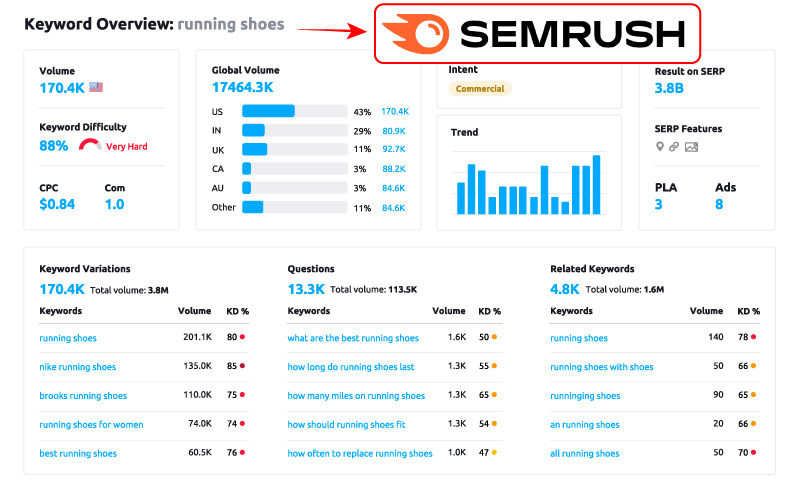
Search feed traffic rarely arrives with one uniform level of commercial intent. Some visitors are still trying to understand a category, while others already know the outcome they want and simply need the cleanest route to a relevant offer. Publishers monetize search feed traffic better when query intent is split between education pages and offer paths instead of asking one page to serve every stage of the journey.
Intent separation protects both trust and monetization
When low-intent visitors land directly on aggressive offer pages, the result is often weak engagement and lower-quality downstream traffic. When high-intent visitors are slowed down by broad educational framing they no longer need, commercial momentum can be lost. Separating those states helps publishers match page depth to audience readiness. Educational pages create trust and context early. Offer paths create speed and clarity when the audience is already closer to decision.
That distinction matters for both ecommerce CPS offers and virtual-product offers. The better the publisher understands what the query implies, the easier it becomes to route traffic into the right monetization environment.
Search feed monetization improves when page roles stay clear
Clear page roles also improve operational learning. Publishers can see which query families need more category explanation, which ones deserve comparison structures, and which ones are ready for direct commercial handoff. That creates better first-party insight than a blended page model where weak and strong intent signals are mixed together. BlueFriday's publisher approach is built around that clearer view of traffic state and offer fit.
It also helps affiliate and advertiser partners interpret quality more fairly. If traffic is routed according to intent, approval and monetization discussions become more precise because the audience state is easier to understand.
Offer paths should be built for conversion depth, not just clicks
A dedicated offer path should do more than push for a click. It should narrow choice, frame qualification clearly, and preserve the commercial context that made the visitor valuable in the first place. Educational pages should do the opposite: answer the bigger question first so the visitor is not forced into a commercial decision before trust exists. Publishers that keep those jobs separate usually build stronger search feed monetization over time.
BlueFriday's blog archive covers related patterns in audience intent, traffic monetization, and offer design. The consistent pattern is that search revenue gets stronger when page purpose is explicit rather than blended.
Intent-aware routing creates cleaner search revenue
Publishers do not need every query to behave the same way. They need a routing model that respects the difference between learning intent and buying intent. Splitting those states between education pages and offer paths helps search feed monetization stay cleaner, more defensible, and more useful for publishers, affiliates, and advertisers alike.
CPC Traffic Monetization
Monetize your qualified traffic with BlueFriday
Apply for private CPC monetization if you operate KOL, media buying, SEO, content, or community traffic.