
Publishers Monetize Search Feed Traffic More Reliably When Approval-Speed Buckets Sit Next to EPC on Offer Pages
Search feed traffic monetization improves when publishers show how quickly an offer usually validates, not just how well it paid in a recent EPC snapshot.
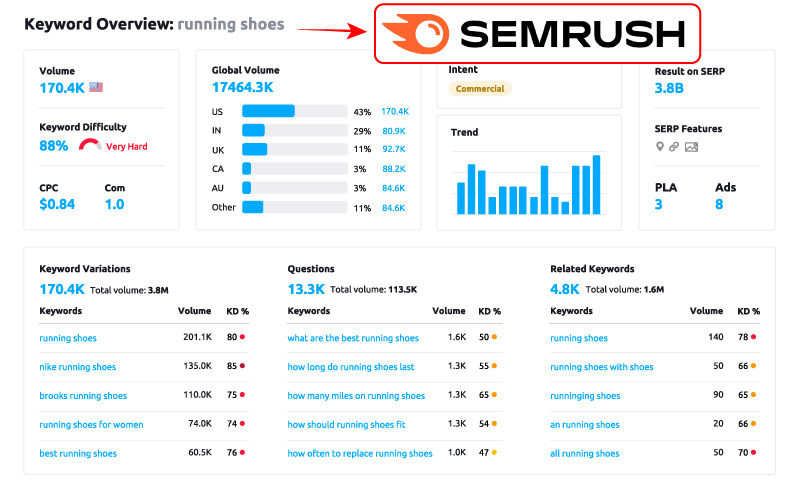
Search feed traffic often sits between early research and near-term buying intent, which makes offer selection more sensitive than many dashboards suggest. EPC is useful, but EPC alone does not tell a publisher how quickly a click becomes trustworthy revenue. When search feed pages show only payout snapshots, monetization teams can over-rotate volume into offers that look attractive in a short window but validate too slowly for the traffic pattern that actually reached the page.
Approval-speed buckets give publishers a more reliable planning layer. Offers can be grouped into same-day, three-day, seven-day, or longer validation windows, then compared beside EPC instead of underneath it. That helps teams see whether a strong payout belongs to a fast-feedback program that suits urgent commercial intent or to a slower program that works better after deeper qualification. It also helps distinguish ecommerce CPS offers, which may carry fulfillment and return delays, from virtual-product programs, which may confirm faster but still require refund discipline.
This structure improves page-level decisions. A publisher can reserve faster-validation offers for pages that capture immediate buying demand, while routing broader educational traffic into offer collections that need more trust-building before the click becomes commercially useful. Search feed monetization becomes more predictable because page design, internal linking, and offer rotation can all reflect how quickly the revenue signal matures.
BlueFriday recommends this view when teams review publisher monetization systems and decide which offer paths deserve more search feed exposure. Approval-speed buckets do not replace EPC. They keep EPC from being read without the timing context that makes it actionable.
Publishers monetize search feed traffic more reliably when approval-speed buckets sit next to EPC on offer pages. That combination gives monetization teams a better way to protect margin, pace traffic, and match each offer to the intent depth the page is actually serving.
CPC Traffic Monetization
Monetize your qualified traffic with BlueFriday
Apply for private CPC monetization if you operate KOL, media buying, SEO, content, or community traffic.