
Publishers Monetize Website Traffic Better When Evergreen Intent Pages and Offer Pages Stay Separate
Website traffic monetization becomes more durable when publishers separate evergreen intent pages from short-cycle offer pages and optimize each for a distinct conversion job.
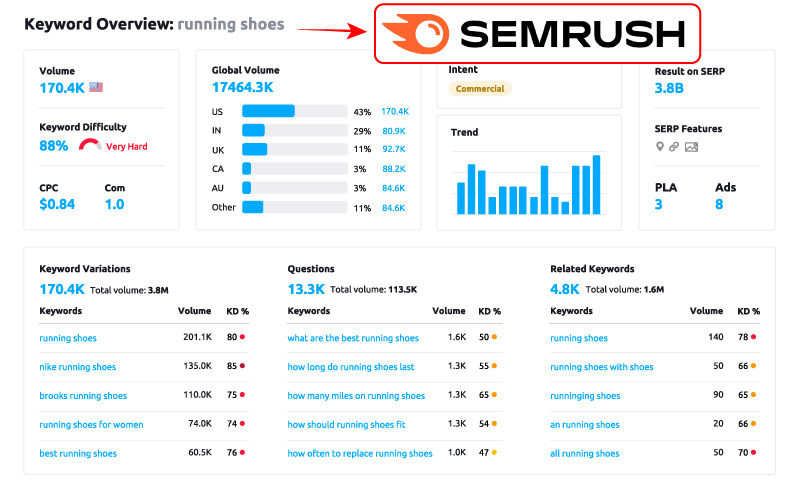
Publishers often lose monetization quality when every page is asked to do the same job. An evergreen page that explains a category, workflow, or recurring audience problem should not be managed like a short-cycle page built around a timely commercial offer. The two page types attract different intent patterns, create different trust expectations, and support different monetization models. Keeping them separate usually improves website traffic monetization and partner fit at the same time.
Evergreen pages convert through trust accumulation
Evergreen intent pages usually win because they answer durable questions better than a fast promotional page can. They help users understand a market, compare options, or clarify a recurring performance problem. That creates a stronger base for search feed monetization, affiliate discovery, and repeat visits, especially when the publisher serves business audiences evaluating ecommerce and digital-product opportunities.
Those pages work best when the reader can scan clear logic without being pushed into an offer too early. If the page turns into a sales container immediately, the publisher often loses the very trust that makes the session commercially valuable.
Offer pages should be optimized for decision speed
Short-cycle offer pages serve a different purpose. They are designed for visitors who are already closer to action and need fast clarity on offer fit, conversion requirements, or campaign economics. That is where publishers can support affiliates and advertisers more directly, but only if the page is measured against the right success signal. Time on page, assisted conversions, and approval quality may matter more than generic click-through rate.
BlueFriday's publisher page reflects this distinction by treating traffic quality and commercial context as shared decisions rather than as a single ad-placement problem. The cleaner the separation between evergreen education and offer execution, the easier it becomes to route traffic into ecommerce CPS offers, virtual products, or research-heavy partner funnels.
Separation creates better first-party signal quality
When evergreen and offer pages are blended together, publishers lose visibility into why the visitor converted or failed to convert. Search terms, scroll behavior, return visits, and content depth all become harder to interpret. By contrast, a clean split between page types preserves first-party signals that help account teams understand which audience segments are ready for monetization and which ones still need education.
Teams refining this model can use BlueFriday's broader blog resources to compare how performance content, search intent, and monetization structure reinforce each other. The common pattern is that better routing usually produces better commercial trust.
Traffic monetization improves when page purpose stays clear
Publishers do not need more complexity for its own sake. They need page structures that match how audiences actually decide. Evergreen intent pages should build authority and retain high-value traffic. Offer pages should make commercial fit easy to evaluate. When those roles stay separate, website traffic monetization becomes easier to scale without weakening editorial credibility.
CPC Traffic Monetization
Monetize your qualified traffic with BlueFriday
Apply for private CPC monetization if you operate KOL, media buying, SEO, content, or community traffic.