
Publishers Earn More From Search Feed Traffic When First-Party Intent Signals Stay Visible
Search feed monetization improves when publishers preserve first-party intent signals and match them to pages, offer types, and advertiser expectations with more precision.
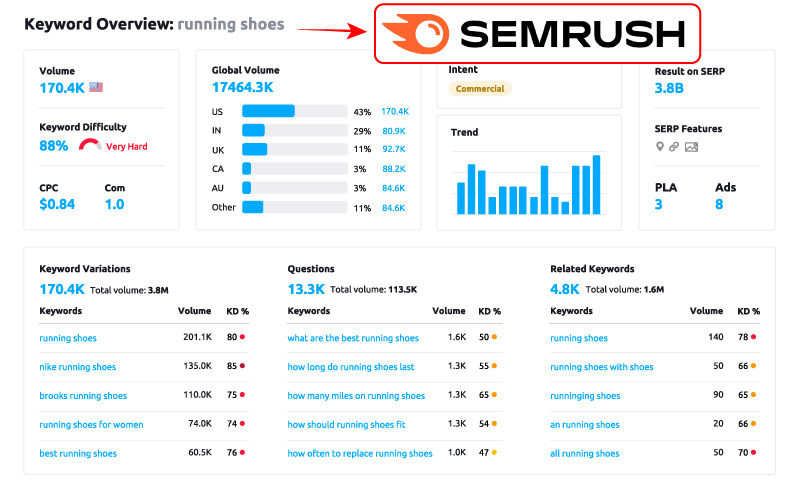
Search feed traffic can look interchangeable from a distance because the click arrives through a familiar query path. In practice, the strongest publishers know that the commercial value comes from the intent signals surrounding that click. Query modifiers, repeat behavior, device mix, and page depth all help explain whether the visitor is in research mode, comparison mode, or ready-to-act mode. When those signals remain visible, monetization becomes more intelligent and more durable.
Intent quality matters more than raw volume
Publishers often underprice their own traffic when they treat every search feed session as equivalent. A visitor comparing tools, evaluating a subscription, or validating a product claim behaves differently from a visitor casually browsing. Those differences should influence which page template is used, which partner offer appears, and whether the monetization path is better suited to ecommerce CPS, virtual products, or a more education-heavy funnel.
That level of routing requires first-party signal discipline. If the publisher loses visibility into which query family or content pattern produced the visit, optimization quickly turns generic. Revenue may still appear for a while, but the publisher gives away the chance to improve conversion quality in a systematic way.
Better signal visibility improves partner fit
Advertisers and affiliate teams do not only want traffic. They want traffic that arrives with interpretable context. A publisher who can explain where intent is strongest is more useful than a publisher who can only report aggregate volume. That is especially true for virtual-product offers, where onboarding clarity and problem-solution fit often matter as much as the landing page itself.
BlueFriday's publisher framework reflects that idea by focusing on traffic quality, page context, and commercial fit rather than treating monetization as a single placement decision. The same logic helps media buyers and advertisers decide which inventory deserves higher bids or deeper testing.
Page design should preserve the signal, not bury it
When search feed traffic lands on cluttered pages, intent becomes harder to read. Too many generic calls to action or loosely related offers can blur the difference between a curious visitor and a decision-stage visitor. Publishers earn more when the page architecture keeps that signal clean: clear comparisons, clear use cases, and monetization choices that follow the visitor's actual question.
Teams that want to benchmark how this thinking applies across performance marketing can review BlueFriday's broader blog resources for related monetization patterns. The common lesson is simple: preserving context is often more valuable than adding another ad slot.
Search feed monetization is becoming more data-aware
The publisher advantage is no longer just access to traffic. It is the ability to package intent in a way that helps affiliates, advertisers, and media buyers act on it responsibly. Search feed monetization becomes more profitable when first-party signals stay visible long enough to guide page strategy, offer selection, and budget allocation. That is what turns search traffic into a high-trust revenue asset instead of a short-term arbitrage event.
CPC Traffic Monetization
Monetize your qualified traffic with BlueFriday
Apply for private CPC monetization if you operate KOL, media buying, SEO, content, or community traffic.